
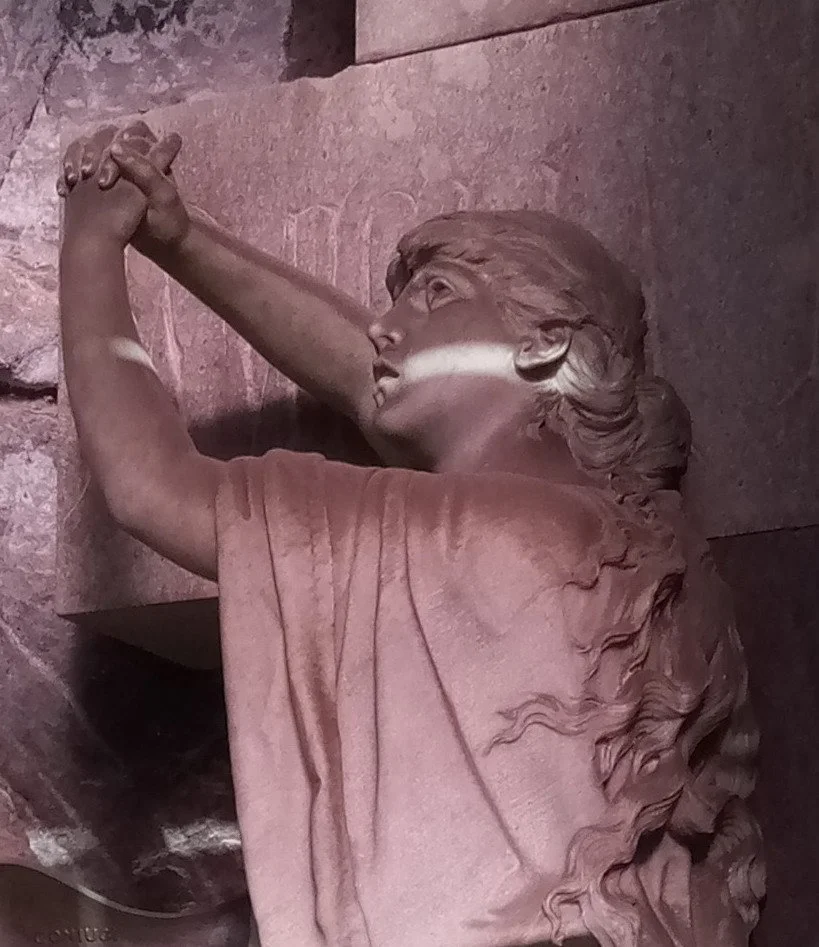
M E N A C E
issue four
FEATURING
Ares J. Benoit
Emma Burger
Stephanie Burt
Darren C. Demaree
Julia Ember
Gavriella Gilbert
Calista Hennie
Julian Jaffe
c. rivera
Teesta Roychoudhury
Tushar Sen
mk zariel
Tabs
Isaiah Acevedo
Esther Alter
Gordon Brown
B. Garden
Erin Hoskins
Heather Kamins
Kelli Trapbell
Jocelyn Szczepaniak-Gillece
Birch Wiley
Abhinav
Avril Shakira Villar
Stephanie Valente
Viviana De Cecco
Sara Guedhi
Allison Horn
Emilia Koziol
Rowen Trombo
Katherine Packert-Burke
poetry
fiction
essay
hybrid
art
interview
issue design based on original layout by Disha Trivedi
EDITOR’S LETTER
The gender issue.
Judith Butler wrote, “Gender is not passively scripted on the body.” Nothing about gender is passive, and nor was the emergence of gender as the theme for the fourth issue of M E N A C E. We didn’t set out to make this issue about gender, but as we were looking over the pieces we’d accepted for this issue, gender leapt out and bit us on the neck.
The pieces in this issue overwhelmingly speak to the experience of minority genders. Avril Shakira Villa’s essay “Gore, Grace, and the Women” meticulously dissects the various strands at work in the experience of girlhood as a girl of color, specifically a Filipina—and becomes a manifesto for our work here at M E N A C E. The relationships between girls and between femmes appear again and again, in Stephanie Burt’s “CLOVE CIGARETTES,” Gavriella Gilbert’s “estrie,” Heather Kamins’ “Queen of the Dead Girls,” and Erin Hoskins’s “Devotion Theory.” Here, gender itself can be the horror—as in Teesta Roychoudhury’s suffocating yet form-breaking “Abhuman” and Calista Hennie’s gut-punch poem “Host.” But it can also be an epiphany. A secondary theme of this issue is transformation; it undulates with changing shapes, forms, and names. Consider Julian Jaffe’s murky “SHAPESHIFTER,” mk zariel’s trans nature poem “rewilding,” and Ares J. Benoit’s speculative poem “The mottled blue-skinned forest girl.” Consider the ambiguously gendered and dynamic body of Sara Guedhi’s “regularity and angularity,” the werewolf drag queens in Kelli Trapnell’s “Slay,” and the arc of “A Live-Oak Growing,” Birch Wiley’s trans horror story. Gender and the categories associated with it can be things that are imposed upon us, but these can also be things we “retake or refuse.” And in this issue, when characters are targeted for their gender or gender nonconformity, they also—as in Isaiah Acevedo’s “Vendor/Fruit/Eduardo” and Esther Alter’s “Federal Facility for Transgender Individuals, Allston, Massachusetts”—fight back. We have always thought of M E N A C E as the home for the “literary weird” and especially the speculative because of its power to imagine possibilities outside of the disciplining and oppressing structures in which we live. In this sense, might we also think of speculative in the sense of imagining new or newly empowered genders? We hope so.
Of course, the horrors persist. This issue of M E N A C E, like issues past, also contains pieces that engage with our ongoing apocalypse. Abhinav’s “Eternity” and Darren Demaree’s “All All #63” both gesture towards the horrors of war and genocide. A woman cowers and possibly despairs in Viviana De Cecco’s “Fear.” The threat of ICE hangs in the air in c. rivera’s “The Hanged One.” And Rowen Trombo’s “Flood” seems in almost direct conversation with the flooded post-apocalyptic world we enter in Gordon Brown’s story, “The End of Everything Blues.” But the horrors are also more intimate, as in B. Garden’s dark superhero story “Higher” and in Emma Burger’s cancer poem “descendant.” Faced with all of this, it’s hard not to be seduced by the abyss—as is the speaker of Stephanie Valente’s gorgeous hybrid, “Get In, Lover.”
But ultimately, we hope you agree with us that this issue does not give into despair. Transformation can be death, including the death of a world, but it can also be resurrection, as in Jocelyn Szczepaniak-Gillece’s “The Witness in the Night.” And for those wondering “what to do, now, with their hands,” we suggest acts of devotion. Hold the ones you love close, care for your community, care for your planet. We choose to share the sentiment in Tabs’ poem “Nematoda” that, in the end, doing so will not be “a waste at all.”
Stay in the weirdness.
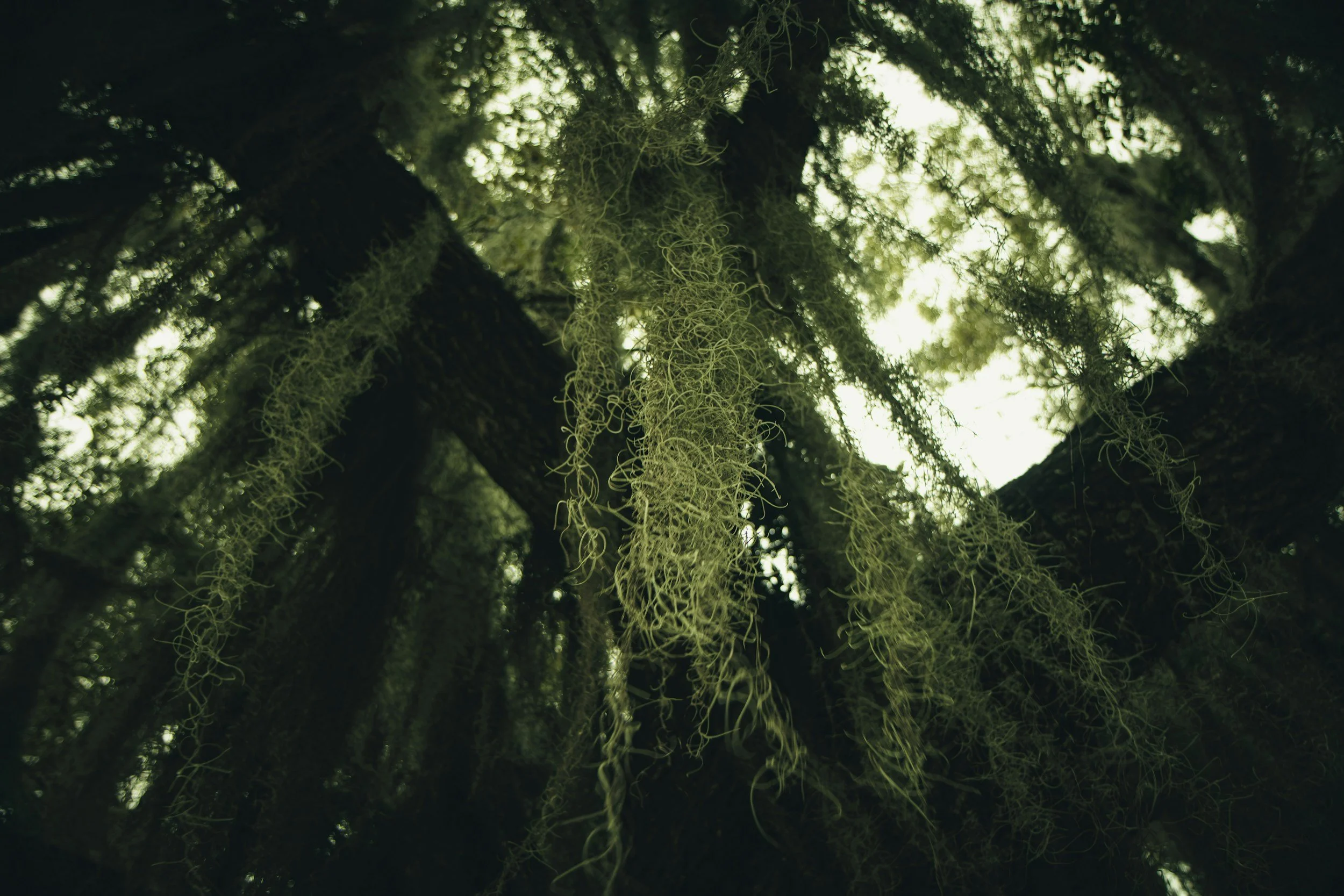
The mottled blue-skinned forest girl
poetry by Ares J. Benoit
“The mottled blue-skinned forest girl knows every way to destroy the people around me. She is part lichen and tree mist; she bathes in a spring of dark water that sings the names of every stone and spirit, alive and dead. The mottled blue-skinned forest girl is not concerned with the smallness of fear and hurt. She cuts openings for truth to emerge, helpful or not.”
—read more
SHAPESHIFTER
poetry by Julian Jaffe
“…(you lured me) (into the river) (with your curling tongue) (your glistening eyes) (a woman) (with a sturgeon’s nose) (beneath her belly) (a trove of her caviar) (blooming) (in the greening ripples) (I relented) (like the bowing cattails) (swaying in the marsh) (I collapsed) (and floundered) (uncontrollable) (in the vertigris) (slick) (and clumsy) (against errant fins) (and scales) (every night) (for nine months) (which was enough) (I knew) (it would not look like me)”
—read more
THE WITNESS IN THE NIGHT
fiction by Jocelyn Szczepaniak-Gillece
“In the place where I was born, midwifery was performed by triplet sisters. People worried that such rarities would not appear to train the next generation. But like clockwork, three identical girls were born the year the midwives turned forty. When they reached school age, the triplets went to their elders to learn to ease the pains of labor, to give breath to stalled infants, and to prophesy a child’s traits.
There were other things the midwives knew; that wisdom they held close to their hearts.
The midwives said I would have three voices with which to sing, but none of them came to me when I emerged, bloody and wrinkled, from the womb.
The midwives pressed their fingers to my lips, trying to open them up. No one recognized a newborn who didn’t scream on the way out.”
—read more
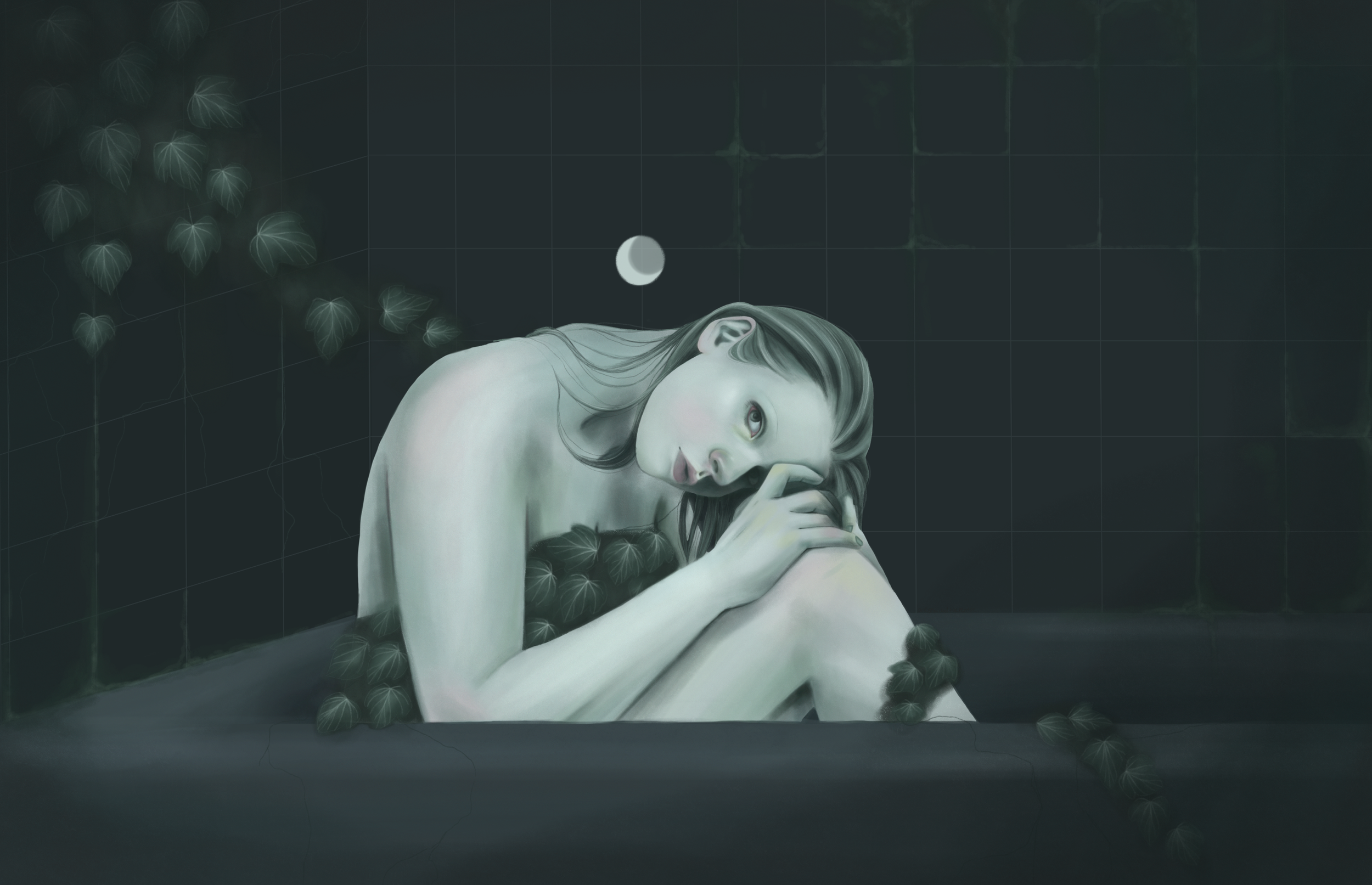
ABHUMAN
poetry by Teesta Roychoudhury
“…changeling learns stillness the way other kids learn prayer, through repetition and fear and correction, through the body first, because the body is always betraying something, fingers tapping, shoulders lifting, eyes that don't touch for long enough, so changeling edits itself in real time, rewinds, redoes, smooths the surface, becomes less visible, more acceptable; changeling knows when it is being observed and knows when it is failing, knows the difference between silence that is allowed and silence that is suspicious, knows that being real is not the same as being safe, so it chooses safe, again and again…”
—read more
ELIXIR
poetry by Julia Ember
“…I smelled your perfume
as you twisted the garrote.
The wire was sharp where
your lips were soft,
your murmured spell sealed
by my scrambling hands,
my thrashing feet.
You tried to buy magic
with my death…”
—read more
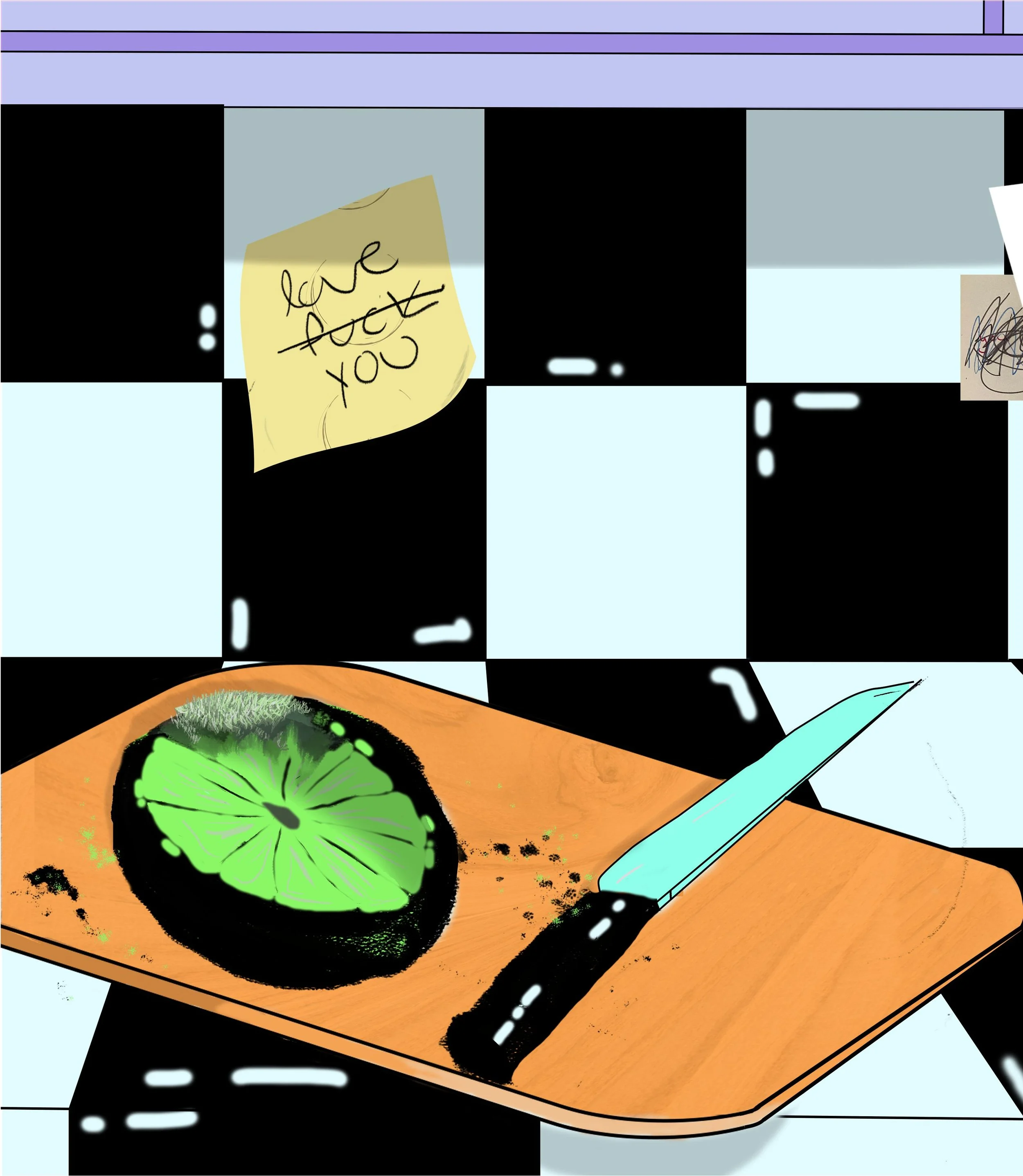
CLOVE CIGARETTES
poetry by Stephanie Burt
“…Somewhere I’d see,
in Melanie’s smoky eye, her smooth nails’ long
dismissals, a way to be when I got home,
if not to be understood. This summer I’d see.
I’d show without telling. Their poses gave memorized goals,
my missals, plans A and B for when I got home,
my silence a kind of patience. I wish I’d let
myself just tell them.”
—read more
devotion
poetry by Gavriella Gilbert
“God is a woman who listens to hymns and chappell
roan mixtapes as She splits the sea in a top-down
convertible. She wears a designer moto jacket made
of sacrificial lamb-leather and calls boys “darling” or “baby girl”
after breaking them in with Her 613 commandments.
She snakes Her devilishly long fingernails around the apple
of their hearts with a vice-grip.”
—read more
DEVOTION THEORY
fiction by Erin Hoskins
“…A narrow-eyed girl in a yellow sweater weaved through us and paused by Mark, carefully scanning his face. “Fred?”
Marie stepped to his side. “You’re mistaken, sorry. This is Mark, he’s visiting me from Boston.”
We all glanced at each other, wondering if maybe this was the secret: mail-order boyfriends. At this point, we had already asked Marie where she found them, and she’d just waved her hands and listed an assortment of dating apps, an explanation digested by no one.
The girl turned her tight gaze to Marie. “He looks a lot like my brother’s best friend.”
Mark looked at Marie and then back to the girl. “I don’t have a best friend, so it can’t be me.”
She reeled back a step. “Weird. Okay then…”
—read more
GORE, GRACE, AND THE WOMEN
essay by Avril Shakira Villar
“More and more girls are bleeding. They bleed in school bathrooms in Tondo and in Tacloban and in the municipalities that do not appear on any list of places worth investing in, in bathrooms where the faucets do not always work and the sanitary napkin dispensers have been empty since the previous administration and a girl who starts her period during third period in a school that has forty-two students per classroom and one functional bathroom per floor learns very quickly what her body is, which is something to be managed in secret, something to be folded and hidden and rinsed in cold water and not discussed. She learns this the way all girls learn the essential lesson about their bodies, which is not biology and not health and not the language of what is actually happening inside her, but the language of how to make what is happening inside her invisible to everyone else. This is the first and most comprehensive education most Filipino girls receive, and it begins before secondary school, and it is conducted not in any classroom but in the silence that falls over any room when a girl's body does something that rooms are not supposed to acknowledge.”
—read more
estrie
poetry by Gavriella Gilbert
“in a blood-clot
red, heartstopping
dress, she arrives
during morning services,
splashing through
the bone-white pews
of uniformed girls like something
organic through a saline bag.
she accepts a prayer book. holds it
upside down with a giggle.
all the while, you’re watching her
until the white snake
of her gaze
is watching you back,
is wrapping around your throat.
you fall helplessly
into the soft coffin
of her shadow.”
—read more
ALL ALL #63
poetry by Darren C. Demaree
“Are your hands in clay? The river runs
away. The deer are strangers. War wins
the art shows by bombing the art shows.
There are no mountains in this country
without full cemeteries in them.”
—read more
ETERNITY
essay by Abhinav
“…Suppose the brain of the world is yanked wide awake and the awareness of it all starts moving on its haunches. The vehicles halt and the men come marching in, and the sirens howl offkey back and forth across the horizon. Suppose there is a certain vengeance in the air as the volumes of televisions go blaring up along with the share prices of guns and bombs and drones and mortars. Suppose you have to pick a side even though all sides are drowning, and the world is on the brink of something, and you don’t have time for all this because you are running on three hours of sleep in a city you don’t know the ins and outs of, and things aren’t yet what you want them to be. Suppose you had something really clever to say but it’s too late now, and the world like a whimper comes whistling down upon itself, despite the share prices of guns and bombs and drones and mortars. And the montage of your life runs through your brain like a river—your mother, her mother, your friends your lovers, the tenderness of the water that almost claimed you until your father interrupted the dream…”
—read more
POMEPEIAN GRAFFITI, REVISITED
poetry by Julian Jaffe
“the fact is, people have always been on the finite end of things
scribbling their ephemera on limestone facades struggling to
remember the chafe of their last fragment sentence before the brain plies
itself with more meaningless butter to churn
How soft is violence?”
—read more
HIGHER
fiction by B. Garden
“The first time Astrid flew it was an accident. On the night she threw herself from her bedroom’s second story window, she’d intended on landing in the tiny, unkempt rock garden below. She hadn’t wanted to die, just to punish her mother with a trip to the emergency room that their broken little family couldn’t possibly afford. Astrid dove headfirst through the window and braced for impact.
But the impact didn’t come, and it wouldn’t come for at least a few more years.”
—read more
descendant
poetry by Emma Burger
“…our favorite nurse
michelle
red hair
chocolate that i wouldn’t eat
recollection of what i did
two boots pizza
blackberry tazo tea
vending machine sun chips
rhythmic beeping
keeping time
so little time…”
—read more
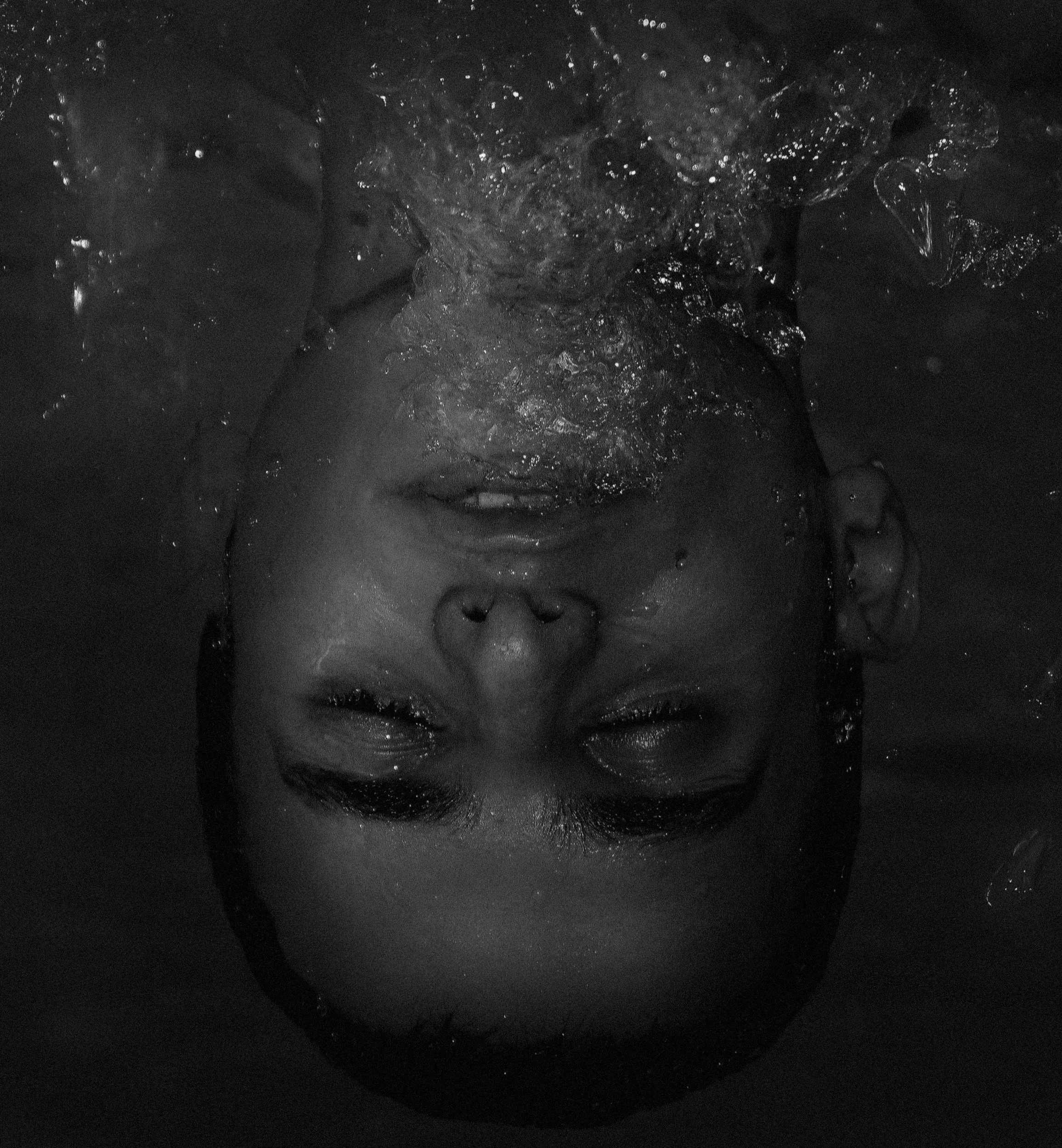
TRANSFEMME MEETS NARCISSUS
poetry by Julian Jaffe
“when he entered the hotel pool it was empty
red hot
cool night air tickling surface tension inky pond
i . s ink
a dim resemblance beginning to smile
im beg ing
grabbed his hair & banged his head against the pool edge
a hea t
so sore so soft mouth all gooey & gummy
so so y ummy
this is just me standing here. his brain lying on the ground
this is just her lying
Spongiform Encephalopathy
iform a path
I willingly swallowed & digested
I will wallow & di e
the pestilence of the body”
—read more
VENDOR/FRUIT/EDUARDO
fiction by Isaiah Acevedo
“Eduardo was a bad customer—an even worse lover—but you were happy when he finally followed you home. When he broke into your house and tied you up. You weren't scared that he might do something to hurt you. No. You watched him as he watched you. Days when you wheeled around your vegetables and fruits, you noticed his unibrow at the plaza and his erection in the park. You fantasized about an encounter in an alley or in the restrooms by the playa. You know he wasn’t eager to hurt you. You knew he wanted something else. That's why you left the door open. Why you shaved the in-betweens of your legs. Why you patiently waited for the sound of his boots entering through your house…”
—read more
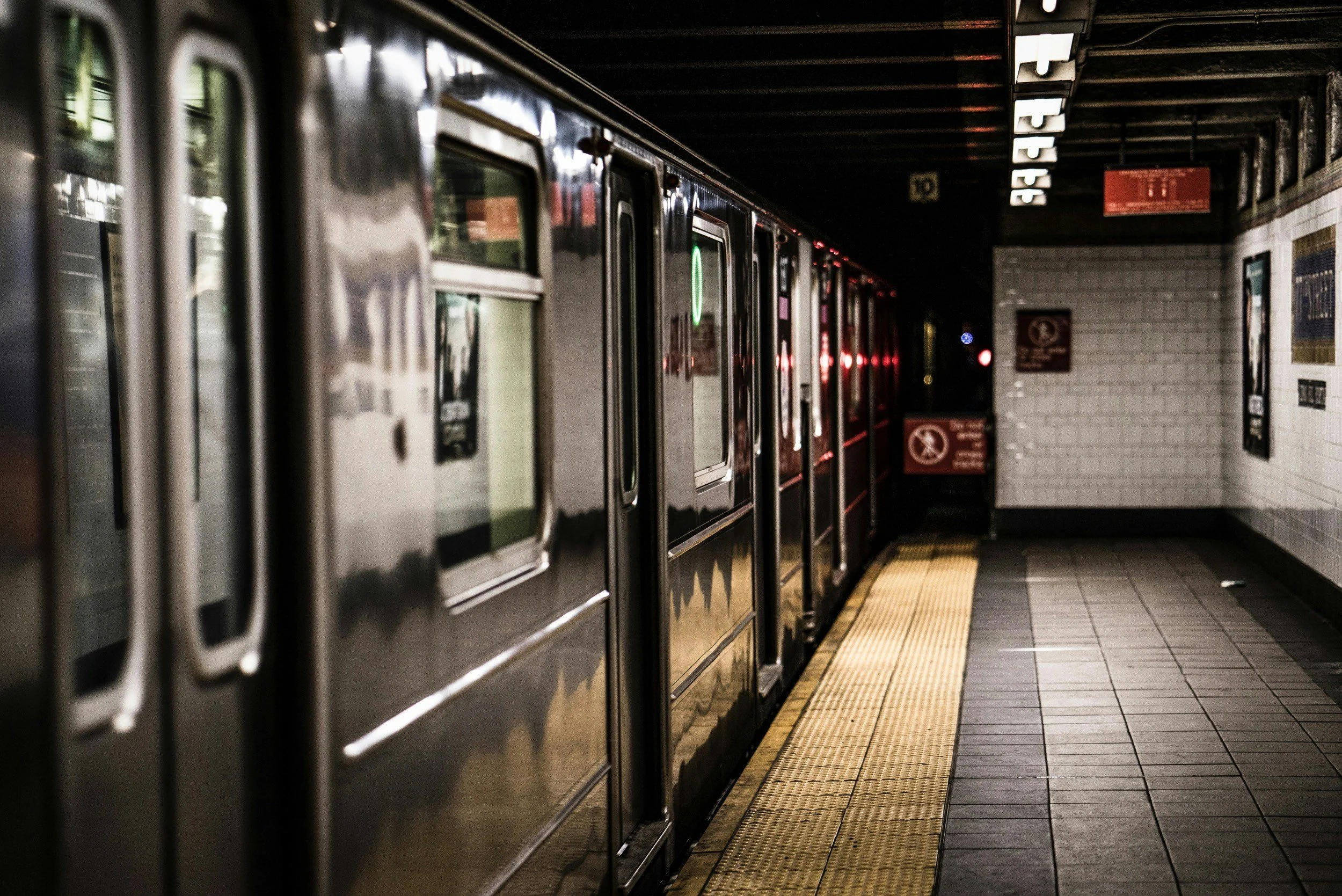
THE HANGED ONE
poetry by c. rivera
“raised by a family
of thieves, klepto-
maniacs, a closeted
gay
the chronically
ill
I can fall in love with a subway car if you are
peeling an orange—
you lovingly stole—
into it.
I may even / unmask / for a taste.”
—read more
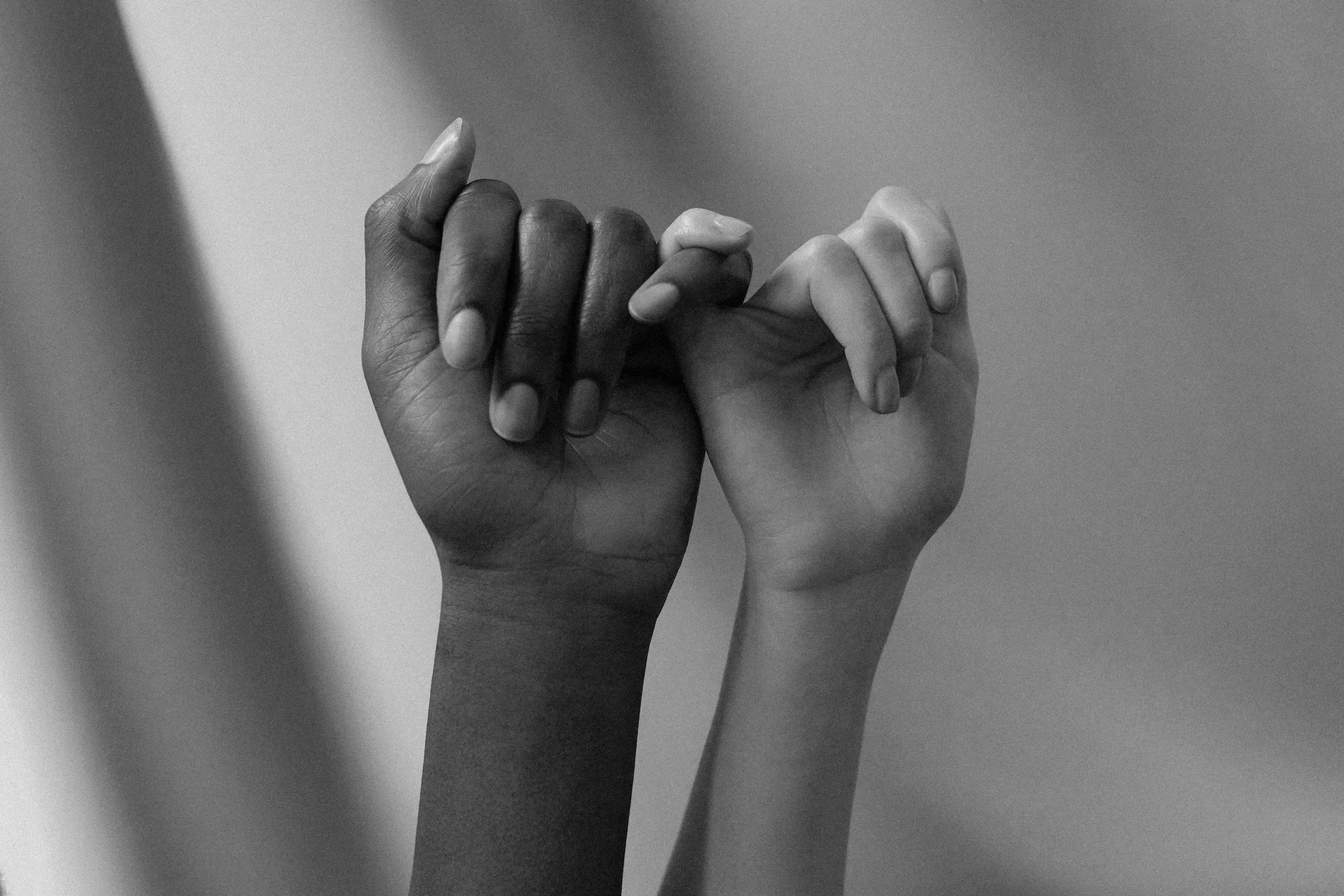
GET IN, LOVER
hybrid by Stephanie Valente
“We’re going to stare into the abyss. Some day the abyss is just a dark void full of oil shine. But, I know it’s more than that. The abyss is a colleague, and has a higher ed degree. The abyss isn’t afraid to explore the wood at dusk or what the tarot cards say.”
—read more
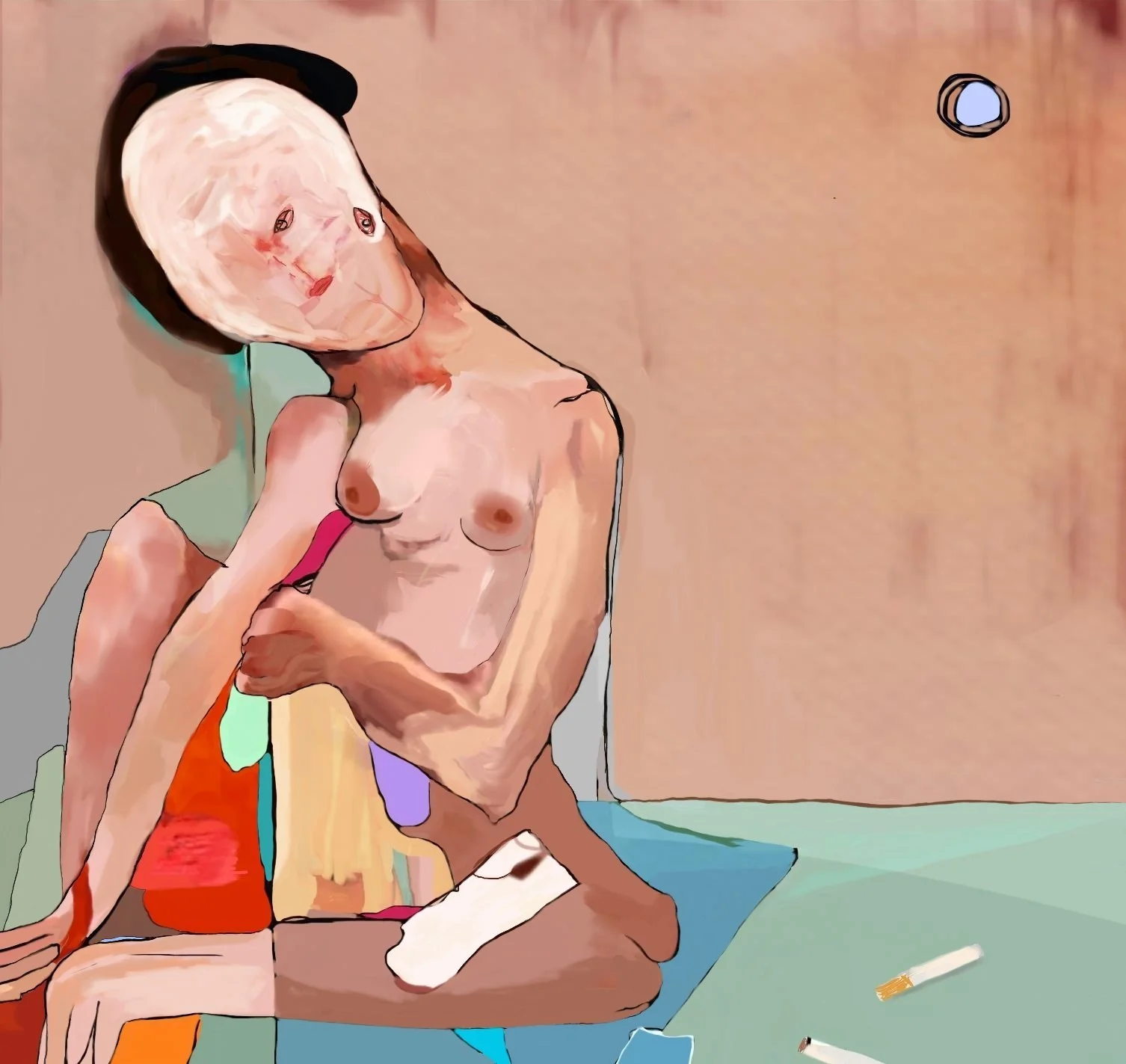
SLAY
fiction by Kelli Trapnell
“Once a month, every month, we go to the club and we slay. Let the smooth edges of the music slide across our exposed shoulders like silk, like Britney’s snake, like the arm of a lover we’ve just met. We come home with blood in our mouths, fur on our knuckles still receding. The thin cuts from breaking fresh and red down our hands and arms, our chests and faces. Our jaws and teeth sore, still a little swollen from the transformation. We throw on some fresh clothes, dump the bloodied ones in the outside trash. We text a time to meet for brunch and then we all sit together, pushing our eggs around our plates like it’s nothing, this monthly trauma, like we’ve just gotten our periods and oh my god are we all finally on the same cycle? We laugh because we are still coming back to our bodies, because at first humor is the only kind of consciousness that is tolerable. And it is quite the joke, isn’t it? Werewolf drag queens? The stuff of B-horror movies, sexploitation films. But here we were, real as the mimosas in our manicured hands. Last month, one of us joked that we felt long in the tooth, and we all threw our heads back to howl.”
—read more
FEDERAL FACILITY FOR TRANSGENDER INDIVIDUALS, ALLSTON, MASSACHUSETTS
fiction by Esther Alter
“…Natalie, collecting her thoughts, remembers that she needs to make a choice. Life isn’t about choosing yes or no, until it is. She can try to save her girlfriend, and maybe grieve. Or she can continue to stare out the window, and definitely grieve. Natalie is the sort of person who finds the discreteness of this decision to be soothing.
She doesn’t have her glasses on. The rain blurs and blurs and blurs.”
—read more
QUEEN OF THE DEAD GIRLS
fiction by Heather Kamins
“Vivian entered the afterlife with a big jolt of energy, as girls who crossed over unexpectedly often did. She had died suddenly, murdered at the age of thirteen, and when she arrived, she was still scratching at her neck, trying to remove her teacher’s heavy fingers from around it.”
—read more
HOST
poetry by Calista Hennie
“Hot girls get abused.
And so do ugly ones. And so do ones with pin straight hair or
purple sneakers or spinach between their teeth. And
so do ones who can play the cello or
snort bath salts on the dance floor. And
so do ones who volunteer at animal shelters or
put tinsel in their hair. And so do ones who call you mom or
call you fat or forget to call you back.”
—read more
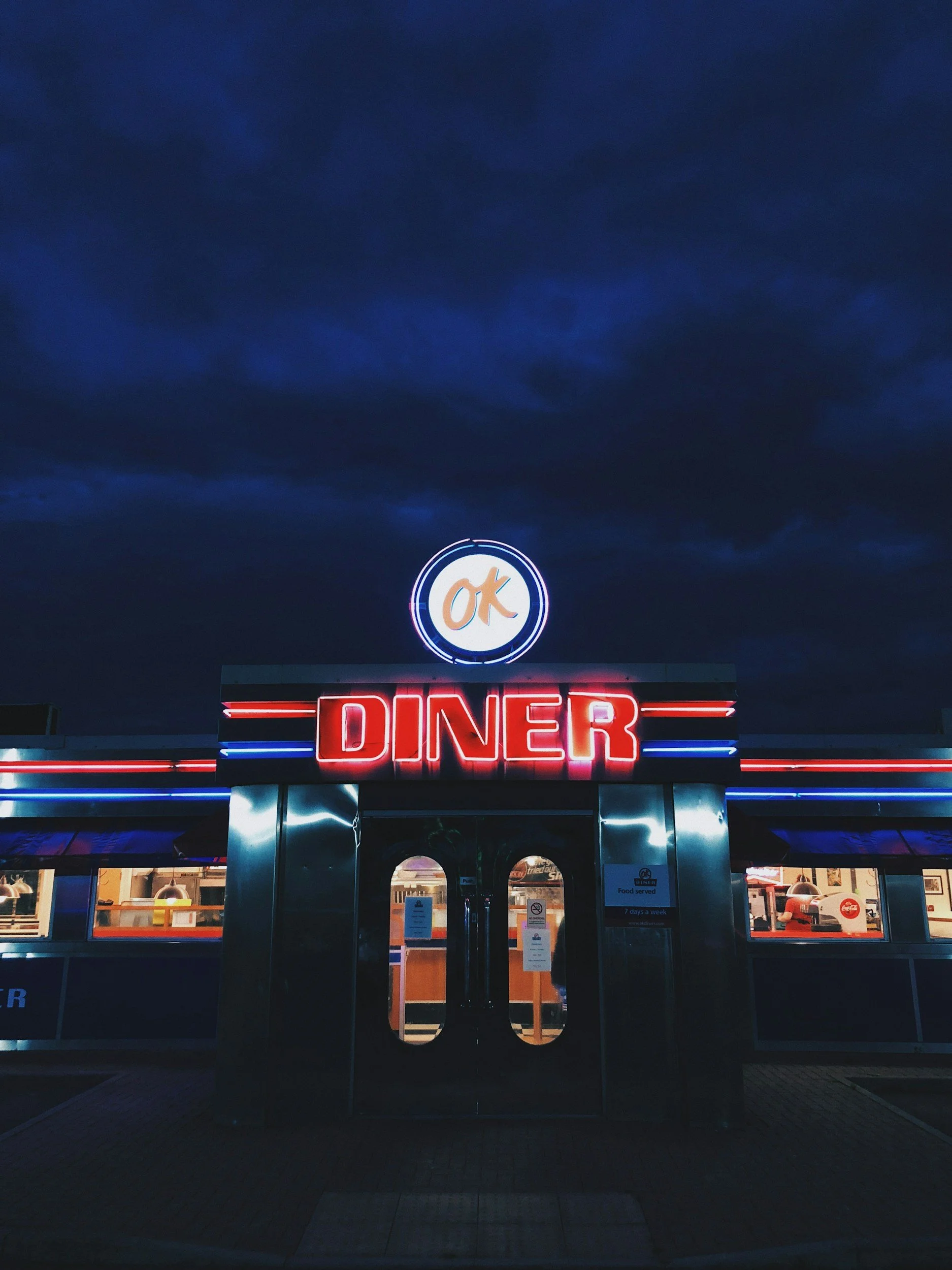
A LIVE-OAK GROWING
fiction by Birch Wiley
“The night the men killed them, Bambi drove east. In the pine barrens the road stretches itself, straight and flat, into the indeterminate dark. In the long corridors of forest, the only interruptions in the landscape are blinking yellow mile markers and green signs announcing exits, sometimes a gas station crowded with vending machines. As Bambi drove, the white lines extended out to their convergence point, disappearing a few feet beyond the headlights. Muffled radio static whined over the roar of the truck’s engine. It was a good truck, old and not particularly well cared for, but big and loud and handsome, chrome bumpers and chipped red paint. It was reliable enough to get them where they were going. The dashboard clock read 1:43 AM.”
—read more
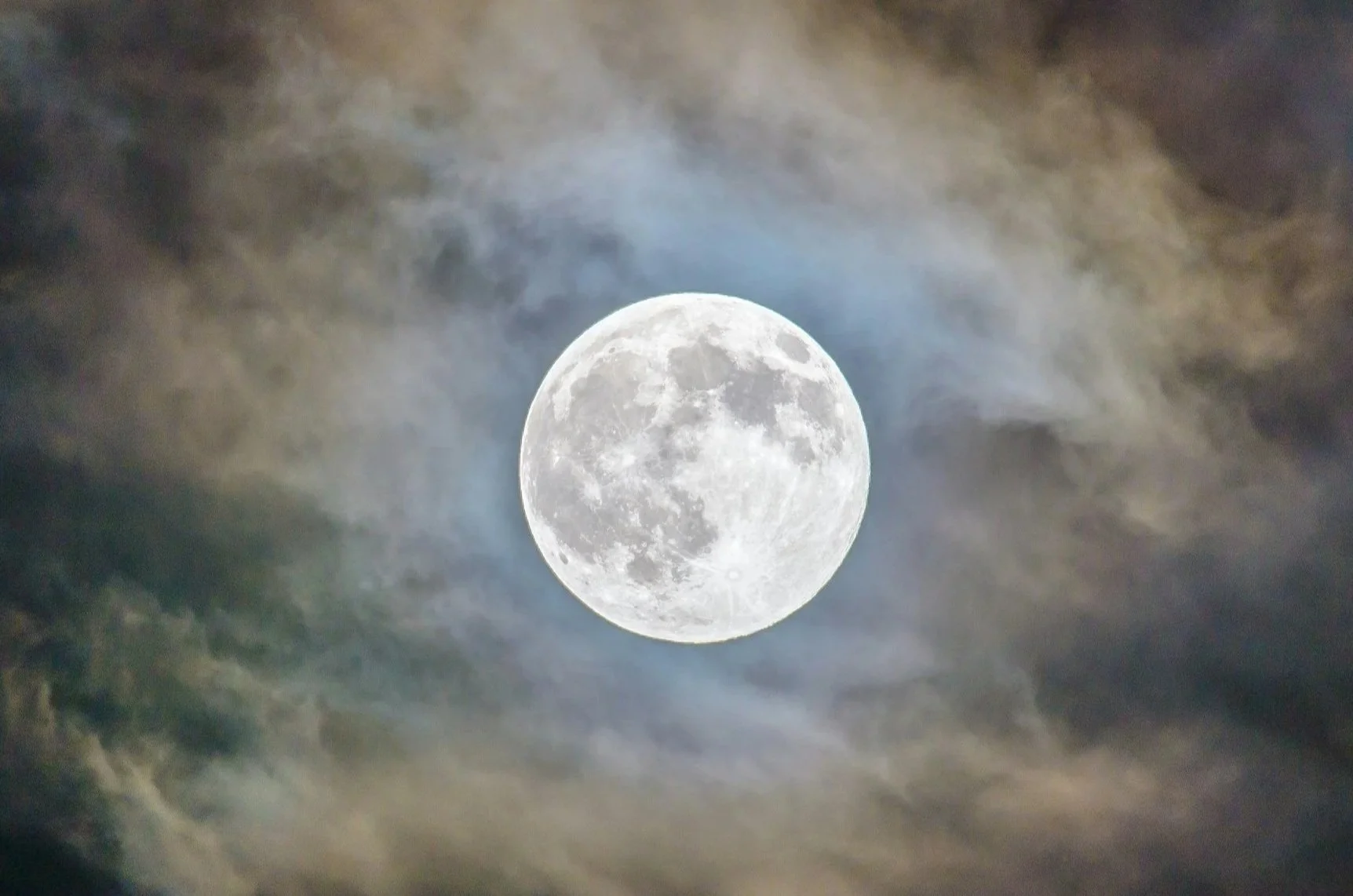
rewilding
poetry by mk zariel
“…i lost progress on my voice training croons
a Discord message unread, and maybe the moon doesn't sing
but whispers, tries on a new baritone for size, rejects it
in favor of a low, otherworldly hum that he somehow
finds affirming.”
—read more
NEMATODA
poetry by Tabs
“…I’m scared that each day I stay alive I give the wrong idea,
like they’d say about a flirt that got followed off the VIA bus,
or girls who smile. That I’m going to continue.
That each day I plant feet on linoleum, mow down
my nailbed gardens, and rearrange my lymph,
I’m teasing votes of confidence for a position I withdrew from.
There are more deserving people who can do far more
with the care that I receive instead of them.
When elephants suffer, they wander off, alone,
as to not bring the herd down with them.
A much older boyfriend told me this each time I cried.”
—read more
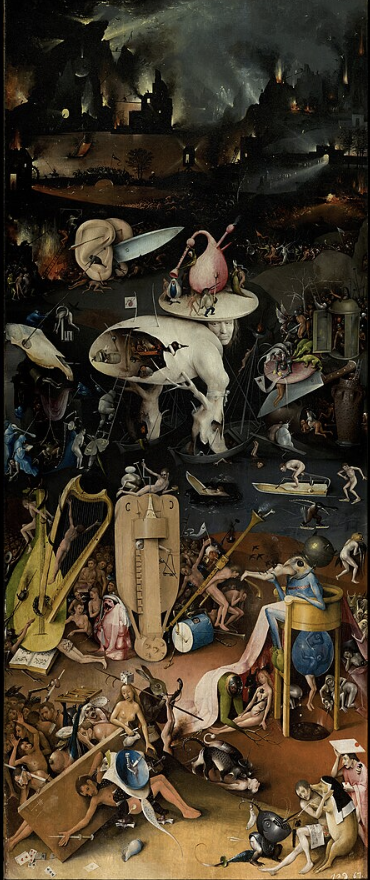
THE GARDEN OF EARTHLY DELIGHTS BY HIERONYMUS BOSCH (c. 1490–1510)
poetry by Tushar Sen
“At first, the world is given—
a hand, a body, a name.
Water keeps its reflection,
nothing refuses its place.
A man receives a woman,
the air still holds its law.
No edge divides from meaning,
no hunger bends the form.
Then something loosens slightly—
a fruit split wider than hands.
Its sweetness stains the fingers,
will not be set aside.”
—read more
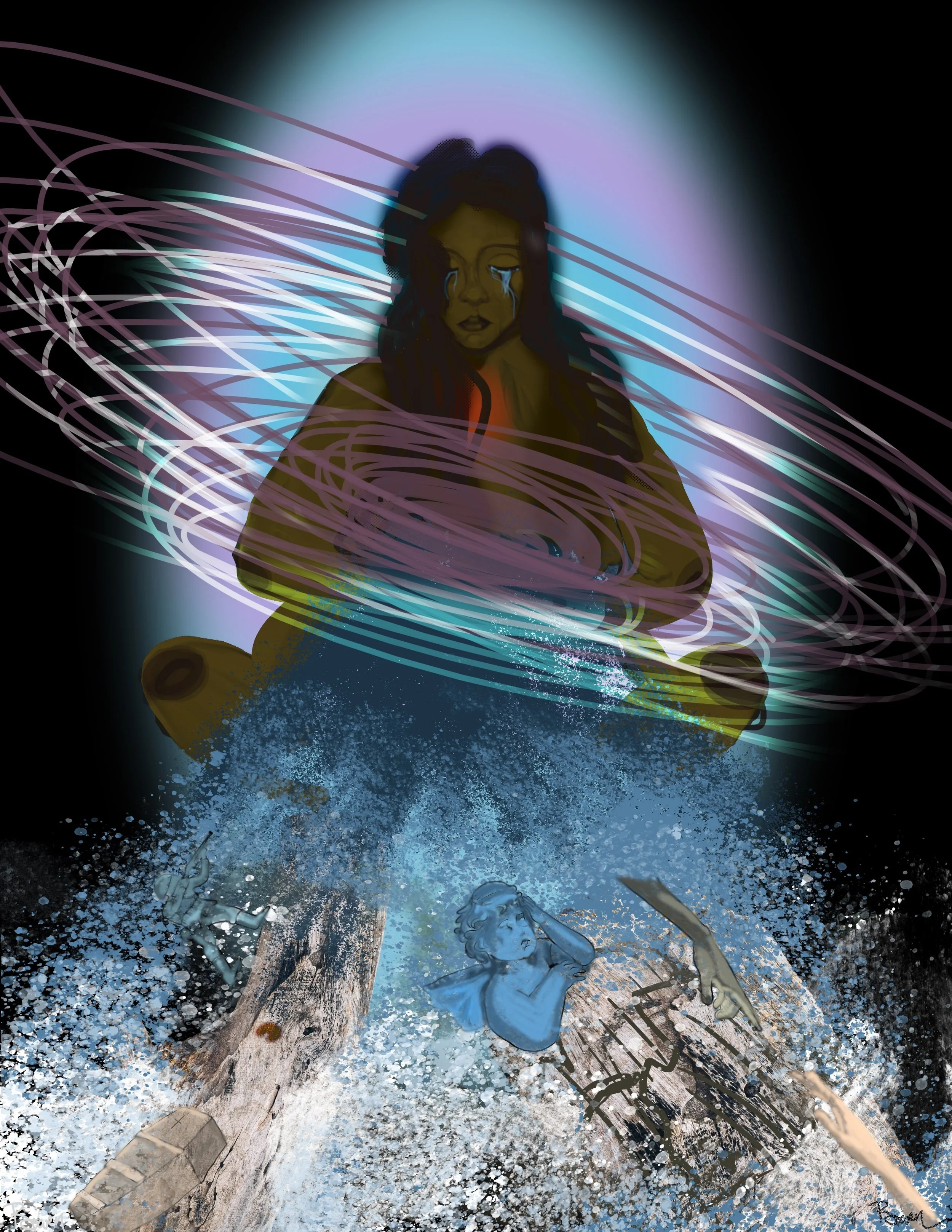
THE END OF EVERYTHING BLUES
fiction by Gordon Brown
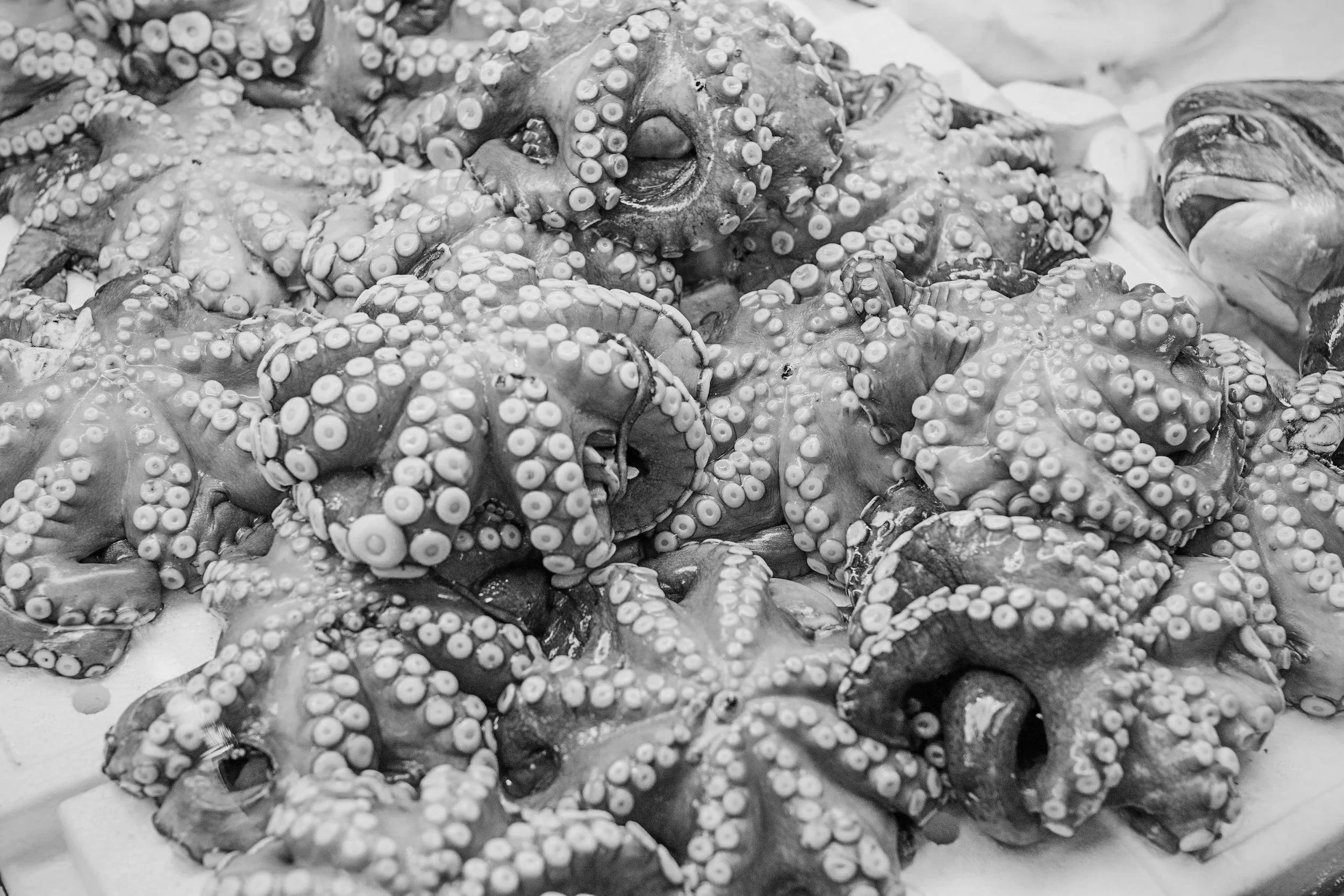
“I wake up this morning before my alarm because the local madman is back. He’s marching up and down our street screaming at the top of his lungs that the Old Ones have woken from their slumber and that the end of the world is nigh. As if anyone was unaware. As if the sky turning red wasn’t a constant reminder. As if slogging through three inches of ocean water this far inland wasn’t kind of a clue, or having to peel starfish off your mailbox to check for college acceptance letters didn’t set a general tone of impending doom.”
—read more
Interview with Katherine Packert-Burke
author of All Us Saints
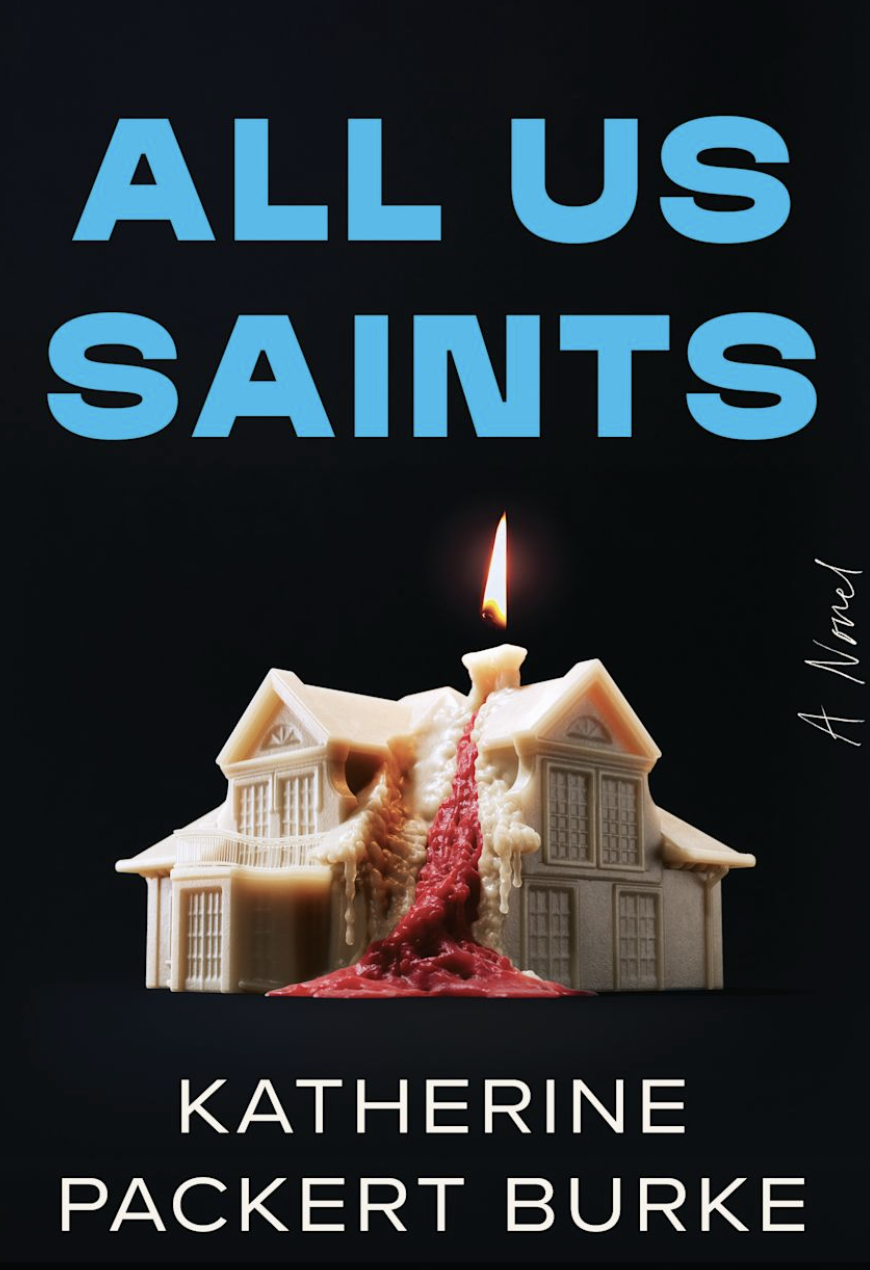
MENACE: I think one of the things that is so astonishing about the book is that though it reads like fiction, I really believed reading it that the crimes at its heart actually happened. It weaves in real films with fictional ones and real history with fictional history in such a way that it’s hard for me as the reader to tell where you as the author took artistic liberties. But we know the St. Cloud murders didn’t actually happen. The effect, I find, is that one can’t help but reflect on the similarity of our society to the society that was shaped by these murders, the fact that we still very much live in a society where trans people are viewed with fear and disgust, and that’s actually even worse because it’s even less justified.
KPB: It probably helps that I was drawing on the very real murders and grave robbings committed by Ed Gein in 1950s Wisconsin! Gein was eventually portrayed as gender-confused in this very Freudian way—he loved his mother and didn’t start committing the crimes that would make him famous until after she died. The reportage on him gave direct rise to the novel (and eventual film) Psycho, and then Texas Chain Saw Massacre, and then Silence of the Lambs. But there is very little actually understood about him or his motivations; a lot of the gender-confusion came from interviewers asking, “Well this is why you did the things you did, right?” and him not disagreeing—putting words in his mouth. I wanted to think about the legacy that a crime can have, the way that representation and misrepresentation can echo throughout the culture for decades after.